




Key Points
- Increased competition in Ethereum’s layer 2 (L2) ecosystem, particularly with the entry of Coinbase’s Base and Blast.
- Polygon’s CEO, Marc Boiron, views this competition as detrimental to Ethereum, leading to fragmentation and “cannibalization”.
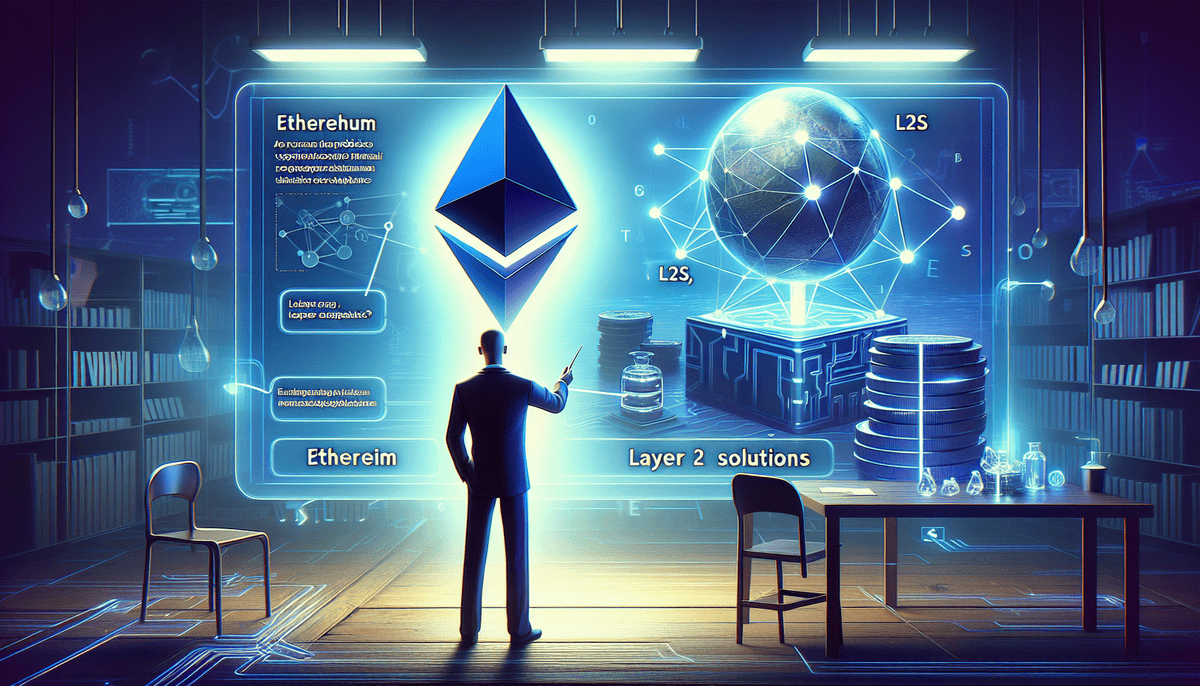
The layer 2 (L2) ecosystem of Ethereum has seen increased competition recently.
This is primarily due to the introduction of Base and Blast, L2 solutions from Coinbase.
Ranking and Concerns
Currently, Optimism holds the fourth spot in terms of Total Value Locked (TVL), with Base and Blast taking the second and third places, boasting $1.67B and $1.45B in TVL respectively.
Despite being designed to improve Ethereum’s scalability, the L2 space is now considered overheated.


Marc Boiron, CEO of Polygon, has identified this intense competition as a significant issue for Ethereum.
Boiron has described the situation as Ethereum “cannibalizing itself continuously via all L2s competing over devs, users and liquidity rather than competing outside of the Ethereum ecosystem.”
This competition, he believes, extends to users and developers, exacerbating the overheating issue.
Solutions and Challenges
Digital asset manager firm CoinShares suggests that resolving Ethereum’s fragmentation problem could enhance user experience, share liquidity, and enable “bridge-less bridging.”
Some L2s, including Polygon and Arbitrum, have adopted interoperable roll-up protocols to tackle these issues.
However, despite these measures, CoinShares notes that problems persist due to differing technical approaches, causing “fragmentation of liquidity and social coordination.”
Despite these challenges, some users maintain that the aggregation layer could potentially resolve the issue of liquidity fragmentation.