





Key Points
- Trezor CEO Matej Zak emphasizes the importance of self-custody hardware wallets amid ETF concerns.
- Centralized exchanges like Coinbase pose risks, highlighting the need for self-custody solutions.
Trezor CEO Matej Zak has underlined the importance of self-custody hardware wallets in the rapidly expanding cryptocurrency market.
Despite a global exchange user base of 420 million, only eight million individuals choose self-custody solutions, indicating a significant untapped market potential.
ETF Approvals and Challenges
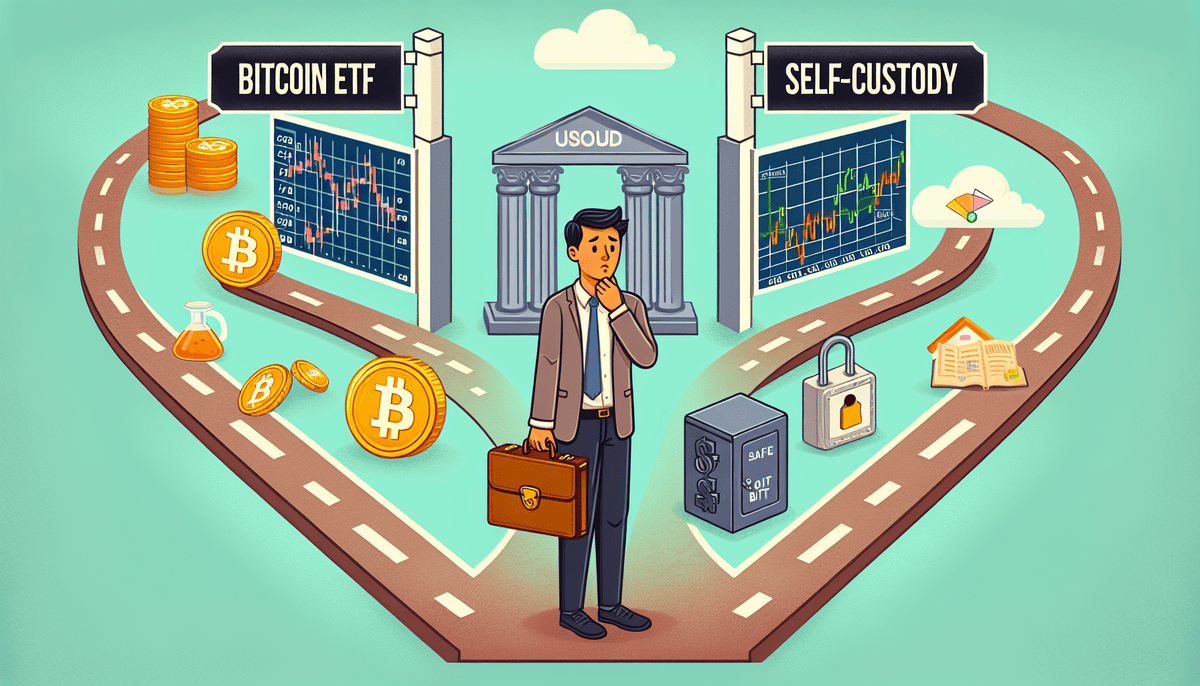
Recent developments, such as the approval of Bitcoin (BTC) ETFs and the potential for Ethereum (ETH) ETFs, present potential challenges. These financial instruments expose investors to cryptocurrencies without direct asset ownership, creating concerns for self-custody hardware wallet providers like Trezor.
Zak noted that the ultimate goal for anyone holding Bitcoin should be to self-custody the asset in a hardware wallet where it is safe, private, and secure.


Risks of Centralized Exchanges
Zak also cautioned about the risks associated with Coinbase‘s dominance over eight of ten ETFs, including hacking and state intervention. He pointed out that with the significant inflow of capital into spot ETFs, Coinbase could become a major target for hackers and other attackers.
The CEO also warned about the potential for governments to confiscate Bitcoin stored at Coinbase, either through specific taxes or by legislating and confiscating.
Renowned gold bug, Peter Schiff, shared similar views, highlighting the limited liquidity of Bitcoin in an ETF due to U.S. market hours restrictions.
Drawing from historical events, Zak’s cautionary stance is not unfounded. The $34 trillion federal debt raises concerns similar to those faced during President Roosevelt’s Executive Order 6102 in 1933, when citizens’ gold was seized due to unmanageable federal debt and geopolitical uncertainty.
With a substantial value of Bitcoin held in Coinbase and its potential threat to the U.S. dollar, speculation arises about possible actions governments might take.